Private equity firms have been buying local plumbing, HVAC and electrical shops by the hundreds. In most cases the van, the name and the phone number stay the same, so the homeowner never finds out. For you, that changes three things: who you're up against for calls, who you're up against for techs, and what your own shop could sell for. The plan for the owner-operator doesn't change. Answer every call, get the review, and make sure Google and the AI tools know a real person runs your shop.
Here's what the published numbers say and what to do about it.
How big this has gotten
In October 2024 the Wall Street Journal reported, using PitchBook data, that private-equity investors had bought nearly 800 HVAC, plumbing and electrical companies since 2022. That count is two years old, and the buying hasn't slowed.
A few of the big buyers, using their own announcements:
- Apex Service Partners (Alpine Investors). Launched in 2019 with two Florida shops, Frank Gay Services in Orlando and Best Home Services in Naples. Alpine's 2025 year-in-review says Apex completed 60 add-on acquisitions in 2025 alone, spread across five regions.
- Wrench Group. Leonard Green & Partners agreed to buy it in 2019. TSG Consumer Partners and Oak Hill Capital took a significant minority stake in 2022.
- Sila Services. A residential HVAC, plumbing and electrical company in the Northeast, Midwest and Mid-Atlantic. In November 2024 Goldman Sachs Alternatives agreed to buy a majority stake from Morgan Stanley Capital Partners.
- Champions Group. Based in Orange County, California. In February 2026 Blackstone agreed to buy it from Odyssey Investment Partners. The company has more than 1,800 field technicians and about 150,000 active members on its service plans. Terms weren't disclosed. Bloomberg reported the deal at about $2.5 billion.
That last number tells you what these buyers want: memberships. 150,000 households on a maintenance plan means 150,000 customers who call that company first.
Your competitor still looks local
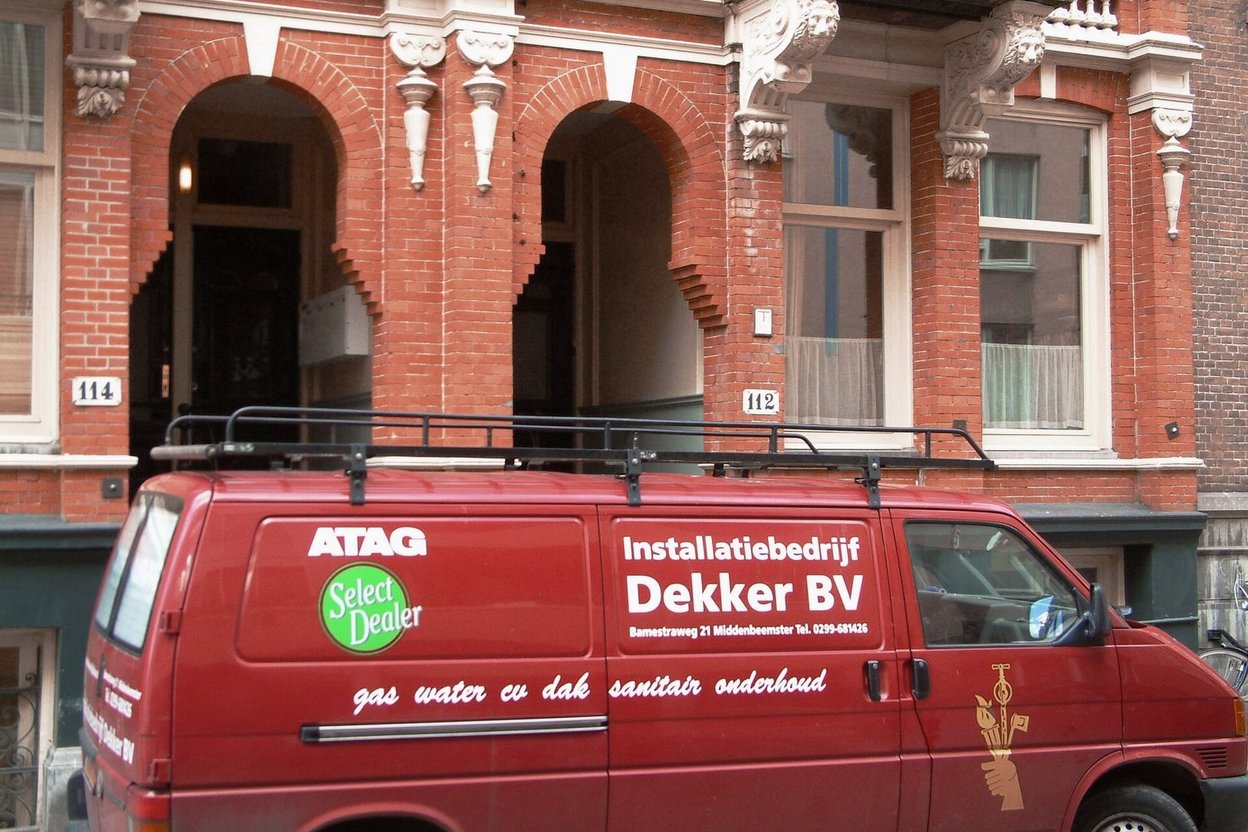
When Alpine launched Apex, its announcement said the businesses "will continue to operate independently under their respective brands." That's how most of these deals work. The shop with the grandfather's name on the van might belong to a fund in San Francisco or New York, and the homeowner can't tell by looking.
So don't lean on "we're the local guys" by itself. The shop across town can say the same thing, and it's often still true at the manager level. What a homeowner can check is who answers the phone, how fast, and whether the reviews mention a real person by name.
Three things that change for you
1. The fight for calls gets more expensive. A shop with fund money behind it can outspend you on Google Ads, Local Services Ads and lead sites, and run a call center that answers every ring. If you're paying for ads and the calls go to voicemail, you're paying to send customers to them. Google started billing for missed Local Services Ads calls on October 1, 2026 (what that means for you), which makes a missed call cost you twice.
2. The fight for techs gets harder. Per the WSJ piece, Alpine says techs at the shops it buys get about a 20% raise on average in their first year. That's the buyer's own figure, not an independent one. Either way, your best service tech is getting recruiter calls. Know what you pay against the shops near you, and know what keeps your people beyond the check: a schedule they can plan around, a truck they're proud of, an owner who picks up when they call.
3. Someone may offer to buy you. The same WSJ article said smaller deals averaged around $1 million and larger companies sold for around $20 million. Whatever a buyer offers, they're pricing your recurring customers, your reviews and how cleanly your calls get answered and booked. Those are the things that make the shop worth more whether you sell or keep it.
What the owner-operator does about it
You won't outspend a Blackstone company. But a one-truck or five-truck shop can win most calls on speed and trust, and the work is mostly setup.
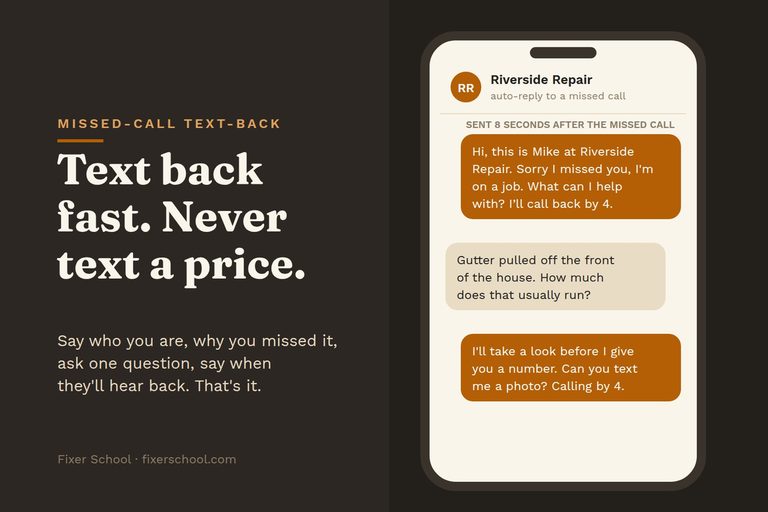
Catch every call. A big operator's call center picks up on the second ring. You can get close for very little. Forward only the calls you miss (how to set that up) and send a text back within a minute that asks what they need and never quotes a price (the script). Customers expect a reply in about five minutes now (why). If you answer in two minutes and the big shop's call center takes ten, you get the job.
Get reviews that name a person. "Mike came out the same day and showed me the cracked heat exchanger" does more for you than five stars with no text. When a customer is happy, ask them to mention who did the work. A national platform has a hard time copying that, because its techs come and go. Here's a way to ask without being pushy.
Start a maintenance plan, even a small one. Champions' 150,000 members tells you how much these buyers value the repeat customer. You can offer the same thing at your scale: two tune-ups a year, priority scheduling, a small discount on repairs. Fall is a good time to start. The furnace calls are coming, and every no-heat call you run in November is a chance to sign someone up for spring.
Tell Google and the AI tools who you are. People now ask ChatGPT and Google's AI for "a good local plumber." Those answers come from what's written about you: your Google Business Profile, your website, your reviews. If your site says who owns the shop, where you've worked and what you won't do (like quoting a water heater swap over the phone), you give those tools something real to repeat. Here's how to get named.
Let AI do the office work, not the selling. The big platforms have dispatchers, CSRs and marketing staff. You can cover a lot of that with AI help on estimates, quote follow-up and job photos. Keep the diagnosing and the pricing yourself. If you run HVAC or plumbing, start with the trade guides: AI for HVAC techs and shops and AI for plumbers.
What not to do
- Don't run down the bought-out shops by name. You don't know how a given location treats its customers. Homeowners trust the contractor who explains his own work over the one who trashes the other guy.
- Don't claim "family-owned" or "locally owned" unless it's true today. A claim like that is easy to check, and a wrong one costs you more than it gets you.
- Don't try to beat them on ad spend. Beat them on the ring, the text back and the review.
This week's checklist
- Call your own business line from another phone at 7 p.m. Write down what happens.
- Set missed calls to forward or get a text back within one minute.
- Ask your last five happy customers for a review that names the tech.
- Write down a one-page maintenance plan: what's included, what it costs, when you visit.
- Put the owner's name and a real photo on your Google Business Profile and your website's About page.
- Look up who owns the three biggest shops in your area. It's usually in their press releases or on the buyer's portfolio page. Know who you're up against.
Sources (6)
- American Investment Council summary of WSJ, "America's New Millionaire Class: Plumbers and HVAC Entrepreneurs" (Oct. 12, 2024)
- Alpine Investors: 2025 Year-in-Review
- Alpine Investors: Alpine Launches Apex Service Partners (2019)
- Contracting Business: Blackstone to Acquire Champions Group
- Orange County Business Journal: Blackstone Buys Majority Stake in Champions Group
- Business Wire: Sila Services Announces Equity Investment From Goldman Sachs Alternatives
Photo: 2006 Amsterdam photo - close up view on a red brick house facade with door gates by Fons Heijnsbroek, CC0.