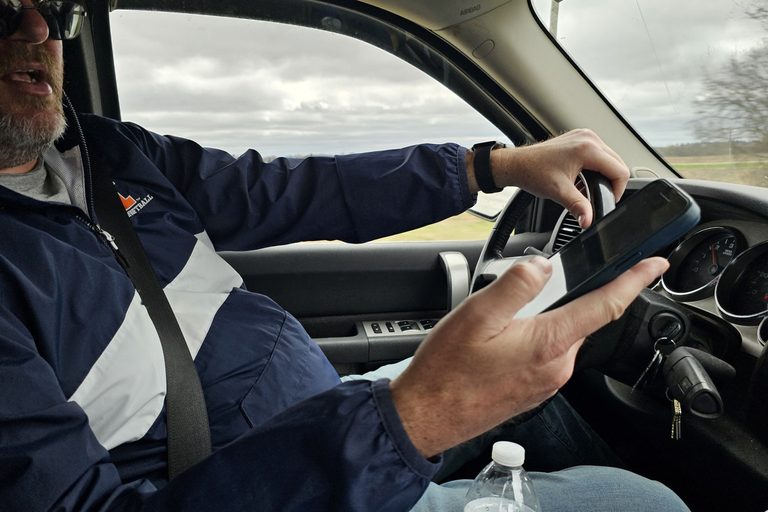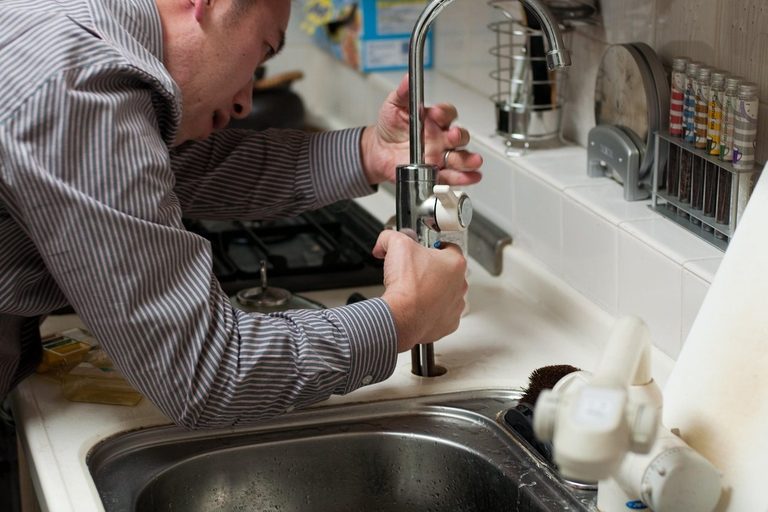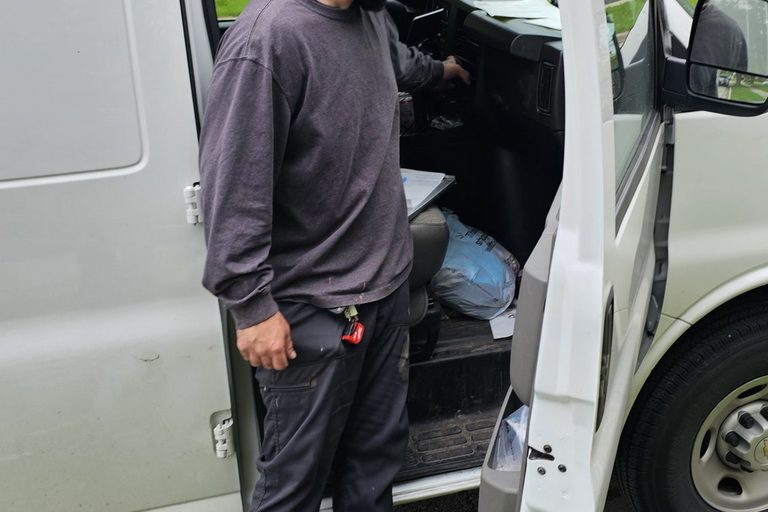

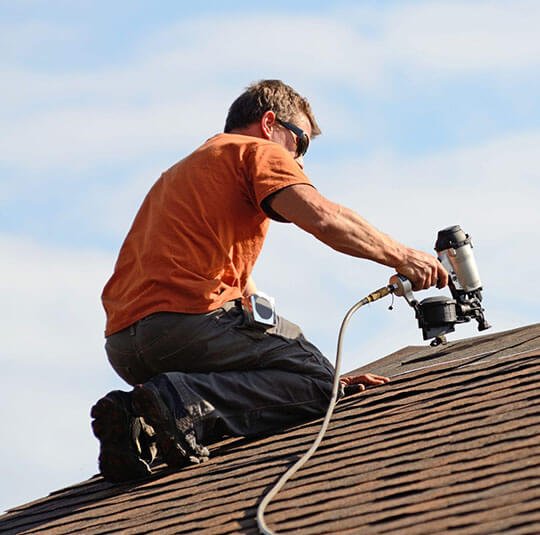
Here's the most expensive thing a small contractor does: pay for an ad, then let the phone go to voicemail.
What happens on the other end
The homeowner has a problem. They searched, they saw three or four businesses, and they called the first one. It rang five times and went to a voicemail greeting.
Most of them don't leave a message. They hang up and call the next one. If the next one answers, the job is gone before you ever see the missed call.
Studies on how fast you need to answer go back years, and they all say the same thing: the first business that actually talks to the customer usually gets the job. See why customers expect an answer in 5 minutes.
The math
Say you spend $600 a month on ads and the phone rings 20 times. That's $30 a call.
Answer 12 and miss 8, and you paid $240 for calls that went to somebody else. With Google now billing some missed Local Services Ads calls, you may pay for those even if you never call back.
Book half the calls you answer at an average job of $400, and each missed call costs you more like $200 in work, not $30.
Three cheap fixes
- A missed-call text in seconds. It turns a dead ring into a conversation. Here are three versions to copy.
- A voicemail greeting that gives them a reason to stay. "You've reached Mike at Riverside Repair. I'm on a job. Leave your name and what's going on, and I'll call back within the hour, or text this number." Short, real, and with a promise.
- Run the ads only when you can answer. If you're on a roof every morning, don't buy morning clicks. Move the ad schedule to when you can pick up.
The bigger point
Lead-gen companies make their money on contractors who don't answer. They sell the same homeowner to several shops, knowing one will pick up. See how lead-gen sites steal your customers' calls. The shop that answers every call doesn't need them as much.
At Fixer School, catching every call comes first, before reviews, before Google, before AI. Everything else is wasted if the phone rings out.