

It's mid-October and your phone lights up while you're on a ladder. Someone wants their siding fixed, or a bathroom floor laid, before family shows up for Thanksgiving. Your calendar is already full into December. Here's what to say. Call or text back that same day, thank them, give them the real date you can start, and offer them a next step: a firm date, a spot on your cancellation list, part of the job now, or the name of someone you trust. That's how you keep the call without making a promise you can't keep.
The short answer: say what's true, say it fast, offer a next step
Thanksgiving 2026 is Thursday, November 26, and Christmas is Friday, December 25. As of today that's about six weeks to Thanksgiving and about ten to Christmas. If you're booked, you already know how this goes. People wait until they can feel the holiday coming, and then they all call in the same few weeks.
You can get this wrong two ways. You can let the call sit because you've got nothing to offer, or you can say yes, cram the job into a weekend and do work you're not proud of. Both cost you.
GreenSky's contractor guide puts the better way simply: thank the homeowner, explain your scheduling situation, and give a realistic timeline without overpromising. A post on an electrical contractors' forum adds something worth remembering: "I'm too busy" closes the conversation without burning the bridge. The person isn't insulted and leaves with nothing bad to post.
Here's a script you can use. It's my own wording, not something taken from a source, so change it until it sounds like you:
> "Thanks for reaching out about your siding. I'll be straight with you: I'm booked through the first week of December, so I can't get it done before Thanksgiving. The earliest I can start is [date]. If that works, I'll hold it for you. If you need it sooner, I'll put you on my cancellation list and text you first if anything opens up. Can you send me a couple of photos so I can give you a rough idea of what it needs?"
It's short and it's honest, and the photo question keeps the conversation going.
Why the fast reply matters even when you're booked
You might think there's no hurry if you can't take the job anyway. There is. People remember who got back to them.
GreenSky says to reply within 24 hours or less, even when you're full. It warns that ignored inquiries can lead to people who "never call again and say bad things about them on social media." A homeowner you couldn't help in November might still call you in March, or tell a neighbor you were the one who got back to them.
Some software vendors say about 78% of homeowners hire the first contractor who responds, and Hearth puts it at 80%. Neither names a study, so treat those numbers as a sales pitch, not proof. What they point at is something most of us have seen anyway: whoever answers first gets the first shot.
That's the whole idea behind catching every call. I took every call myself for years, and customers loved it. It also burned me out. These days an AI apprentice can send that first text for you while you're on the ladder: "Got your message, I'll call you tonight." You still make the call. The customer just isn't left wondering.
Pick one of four answers
When you call back, you need something to offer. Here are four choices, and each one fits a different kind of job.
1. A firm later start date. This is the default. Give them a real date and hold it. It fits work that can wait, like most interior remodels. Lumbermen's says plenty of clients want renovations done by Thanksgiving or Christmas, and that last-minute calls in September and October, for jobs that should have started weeks earlier, are common. Some of those people would rather not have a room torn up while family is visiting, so ask: "Would after the first of the year actually be easier on you?"
2. A spot on your cancellation list. This fits the person who really needs it sooner and can move fast if something opens up. Jobs fall through and materials come in early. Be clear that it's a maybe, not a promise.
3. Split the job. Lumbermen's suggests doing time-sensitive exterior work first, like roofing, siding and decking, because the weather won't wait. It also suggests partial completion, for example insulation now and finishing touches after the holidays. If a homeowner has a siding section letting water in, fix the leak before Thanksgiving and do the full re-side in the new year. They get the urgent part handled and you don't wreck your schedule.
4. Refer it to someone you trust. GreenSky's advice is to keep jobs that fit your core work and refer the ones that don't fit your schedule or what you do. It recommends building a referral network of tradesmen whose work complements yours. If a flooring call needs drywall first, send it to the drywall guy you'd hire yourself. That kind of referral tends to come back to you.
There's one more idea, from a poster on a sign-shop forum: tell the customer to come back in a slower month, maybe with a small discount for being flexible. Whether a discount makes sense for you is your call.
Set up a simple waitlist
GreenSky says a real waitlist beats "call us back later," as long as you set clear expectations, keep the list up to date, and stay in touch. It doesn't need to be fancy. A note on your phone or a spreadsheet works fine.
For each person, write down:
- Name and phone number
- What the job is
- Their deadline, and whether it's a hard one or a nice-to-have
- A photo or two of the job
Self-Employed.com, writing for service businesses in general, also suggests asking about budget range and urgency, and getting permission to follow up. It's worth doing. "Can I text you when I have an opening?" takes five seconds to ask.
Next, send a confirmation. That same article says to send one within minutes, saying when you expect to take new work. It also suggests giving a booking window, like 4, 8 or 12 weeks, so people know roughly how long the wait is. Something like: "You're on my list. Right now I'm about 8 weeks out, so I'm looking at mid-December or early January. I'll text you if anything opens sooner."
Then check in about once a month. A short text is enough. It keeps you on their mind so they don't drift to whoever answers next.
That article also mentions an optional paid "Hold My Spot" fee, with examples of $150 to $250. It's a judgment call. Some customers will like knowing they're locked in, and others will be put off. Rules on deposits vary by state, so check yours before you charge one.
Protect yourself in writing
Once someone says yes to a later date, put it in writing. Good wording in the estimate now saves you an argument in December.
Clear Estimates says to raise weather, holiday plans and staffing conflicts during the consultation, and to put disruption risks and payment terms in the signed contract. Lumbermen's says the same: be upfront about delays from weather, inventory or labor, and write timelines and seasonal risks into the contract.
So your estimate should include:
- The start date. The real one, in writing.
- Weather and material delays. One plain sentence saying the schedule can shift if weather or supply holds things up. That matters most for exterior work in late fall.
- The holiday risk. If you're splitting the job, write down which part gets done before the holiday and which part comes after.
The most important part is not promising a finish date you can't hit. A start date is in your control. A finish date in December, with short days and suppliers closed for the holidays, often isn't. If they push for a finish date, give a range and explain why.
The 15-minute setup
You can set this up in about fifteen minutes one evening:
- Save the script as a text template. Change it until it sounds like you, then save it in your phone so the reply is one tap away.
- Start the list. Make a note or spreadsheet with columns for name, phone, job, deadline and photo.
- Let the AI apprentice send the confirmation. Have it send the "you're on my list, I'm about X weeks out" text so nobody waits on you.
It won't run itself. You still have to make the calls, keep the list current and send the monthly check-in. But fifteen minutes now means a December call that would've been lost turns into a January job.
Sources (11)
- Universal Time Date: Thanksgiving 2026
- Pender County NC: 2026 Holiday Calendar
- Daymark Recovery: 2026 Holiday Schedule
- GreenSky: How to Handle New Leads When Your Schedule Is Full
- Electrical-Contractor.net forum: Turning down a possible problem customer
- Threekit: Speed to Lead
- Hearth: How the First Call Impacts Business Revenue
- Lumbermen's: Managing Client Expectations
- Signs101 forum: Is it OK to turn down work?
- Self-Employed.com: How to Build a Client Waitlist When You're Fully Booked
- Clear Estimates: Taking On New Projects During the Holidays
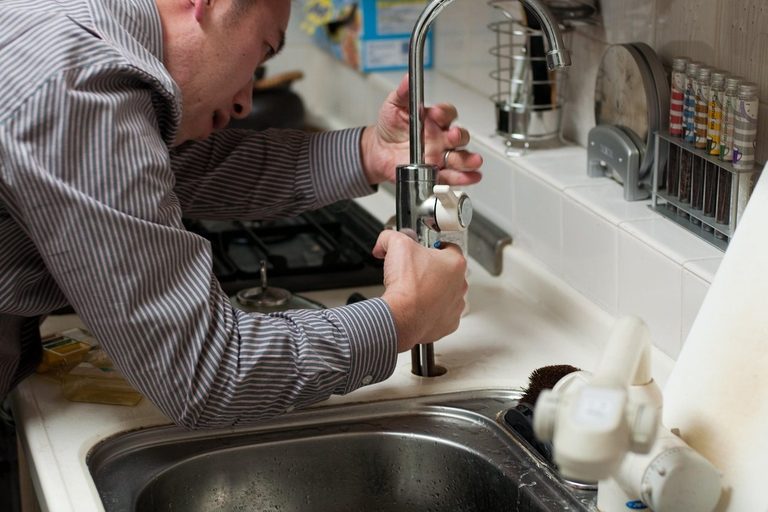
Photo by Kranich17 on Pixabay.