
A remodel isn't one job; it's a few hundred small decisions spread over weeks. Most fights with remodel customers aren't about the work. They're about what was said, what was promised, and what changed. AI can't hang drywall, but it's very good at the writing that keeps a long job clear.
- Write the scope of work. Walk the basement, talk through it into your phone ("frame exterior walls, one bedroom with egress, full bath with shower, rough-in already there, drop ceiling in the utility room, drywall everywhere else, LVP throughout") and have AI turn it into a clear scope: what's included, what isn't, and what the customer is supplying. You check every line.
- Turn the scope into an estimate. Same notes, your prices. See writing estimates in minutes with AI.
- Write change orders on the spot. The customer wants another outlet, a niche in the shower, a different door. Tell AI what changed and the price, and have it draft a short change order the customer signs before you do the work. Change orders in writing are how remodelers stay paid.
- Keep a selections list. Tile, grout color, fixtures, paint, flooring, hardware, and the date you need each one. AI can turn your notes into a simple list you text the customer, so nothing holds up the job.
- Send a weekly update. Customers living through a remodel want to know what happened this week and what's next. Talk for one minute on Friday, and have AI turn it into a short update with photos. It cuts down on the calls and the worry.
- Explain permits and inspections. Customers don't know why they need a permit or why the job stops for an inspection. AI can draft a plain explanation for your area. Check your local building department for the actual rules; they change by town.
- Write the punch list and the closeout. At the end, list what's left, then send a final note with warranty info, product care, and a review request. See getting more reviews with AI.
What to keep human
Structural decisions, anything the code covers, pricing, schedules with your subs, and every promise you make. AI drafts the paperwork; you sign it.
Why it matters now
Remodeling is where franchises and big "design-build" brands spend the most on ads, and where lead sites charge the most per lead. See franchise handyman vs. a local pro. A local remodeler who sends clear paperwork and keeps the customer in the loop wins the referrals that keep the calendar full.
Start with change orders. They save more money than anything else on this list.
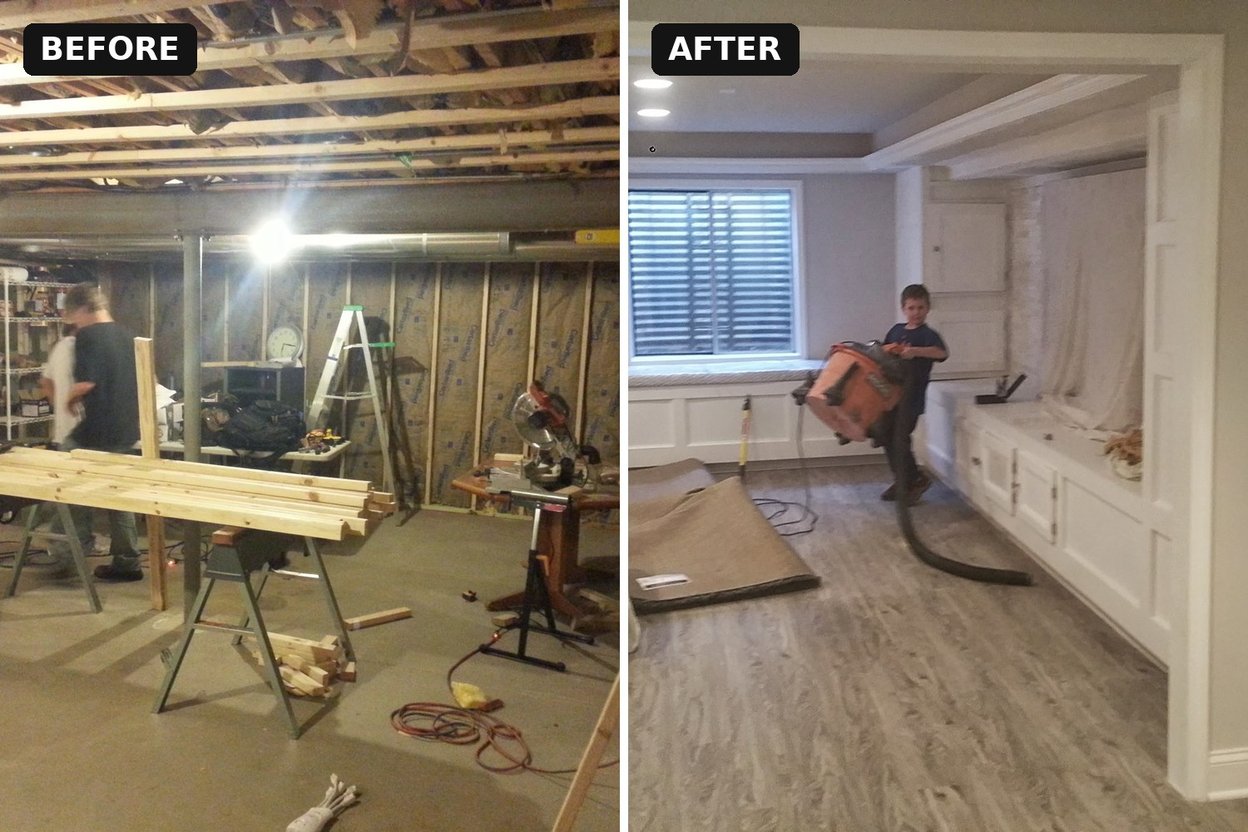
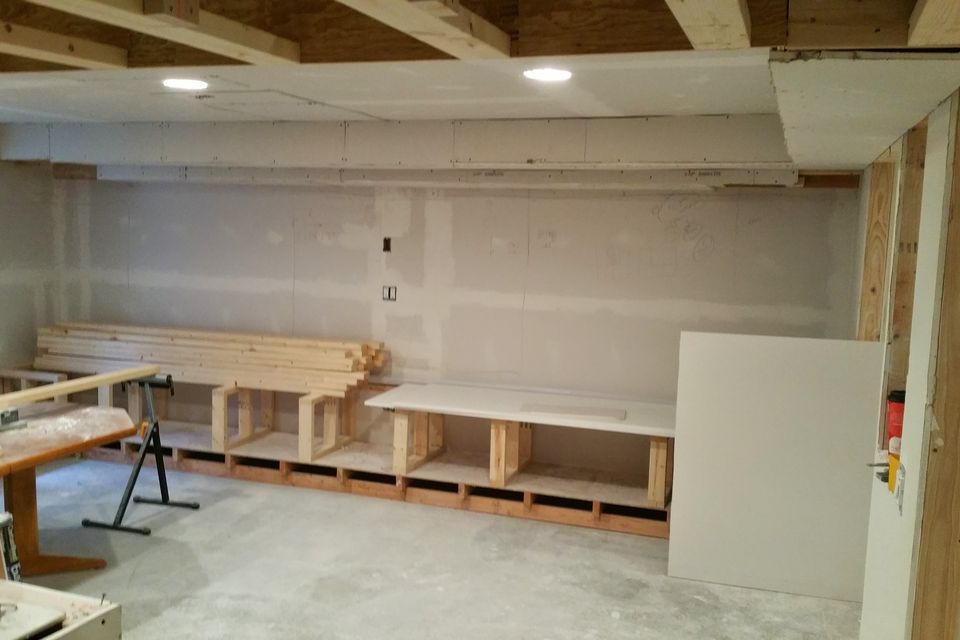
Photos: from a real basement finish by Fixer School founder Jack.